Dental Conditions Requiring a Root Canal

Root canals are one of the final options we can use to restore a damaged tooth. Many people fear that they’ll need a root canal at the first sign of tooth pain. While it is good that we have this option, it might help to know that it is only necessary when tooth damage is severe. Cavities aren’t the only reason for needing a root canal. Several other dental conditions can lead to you hearing that a root canal is your best-recommended treatment.
What Is the Main Reason for Having a Root Canal?

A root canal is performed to eliminate infection within the roots of a tooth. Infections and inflammation in the root of a tooth create pressure on the nerves. This can cause extreme and unrelenting dental pain. In some cases, this infection can spread to the surrounding soft tissues and teeth.
Some dental infections can be treated with antibiotics. Root infections, however, don’t respond as well to antibiotics because the infection is deeper within the tooth. A root canal removes the infected dental pulp and nerve so that you no longer experience any symptoms.
What Dental Conditions Lead to Root Canal Treatments?
Any dental condition that affects the root of the tooth could lead to a need for this treatment. The most common dental conditions that require a root canal are ones that impact the deeper layers of your tooth.
#1 Severe Tooth Trauma
A chipped or fractured tooth can usually be restored with a dental crown. Before placing a crown, we may recommend performing a root canal. This is because any trauma that extends to the pulp of a tooth opens up a pathway for bacteria. Performing a root canal eliminates any early infections so that the tooth restoration is more successful.
#2 Large or Old Fillings
Fillings have a lifespan. At some point, they can develop cracks around the margins. You might hear this referred to as a leaky filling. Larger fillings are more likely to develop this problem due to the pressure that is placed on them when you eat. Eventually, bacteria can work its way down through the cracks and into the tooth root.
#3 Deep Tooth Decay
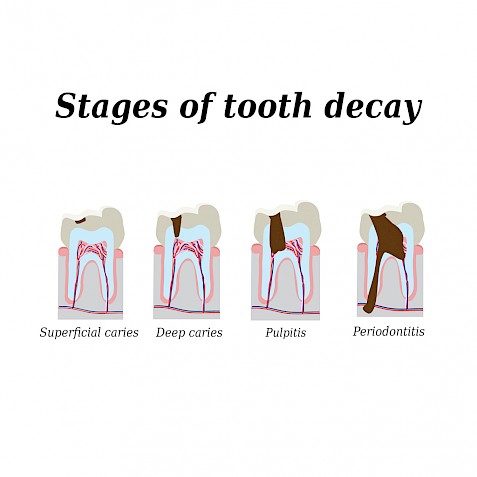
Extensive or deep cavities are one of the more preventable causes of root canal treatments. Early cavity detection allows you the opportunity to get a simple filling that stops the decay from going further. Once you have a severe cavity, you might notice increasing amounts of pain when the tooth is exposed to stimuli such as hot or cold beverages.
#4 Recent or Repetitive Dental Treatments
At some point, a tooth nerve sometimes decides that enough is enough. Repetitive dental treatments increase the chances of nerve inflammation. Each time a tooth is opened up for treatment, there is a chance that bacteria can get inside. This is why you’ll sometimes receive antibiotics or a recommendation to go easy on a tooth while it heals after a recent treatment.
You’ll naturally notice a major tooth fracture or know when you’ve had multiple treatments done on a tooth. We also want to let you know that some dental conditions aren’t so obvious. Cavities and cracks in the enamel can sometimes be deeper than they appear on the surface. We use digital x-rays that help us to see the issues that lie hidden below your tooth enamel and gums so that we can recommend the best treatment.